03/20/2026 - Written by AZ Supply Stuff
|
|
A hose clamp is a mechanical device used to secure a hose onto a fitting, ensuring a tight seal that prevents leaks. Hose clamps are widely used in automotive, industrial, plumbing, marine, and HVAC applications where fluid or air must be contained under pressure.
They are essential components in systems involving fuel lines, coolant hoses, air ducts, and fluid transfer systems.
Understanding the different types of hose clamps is key to selecting the right one for your application.
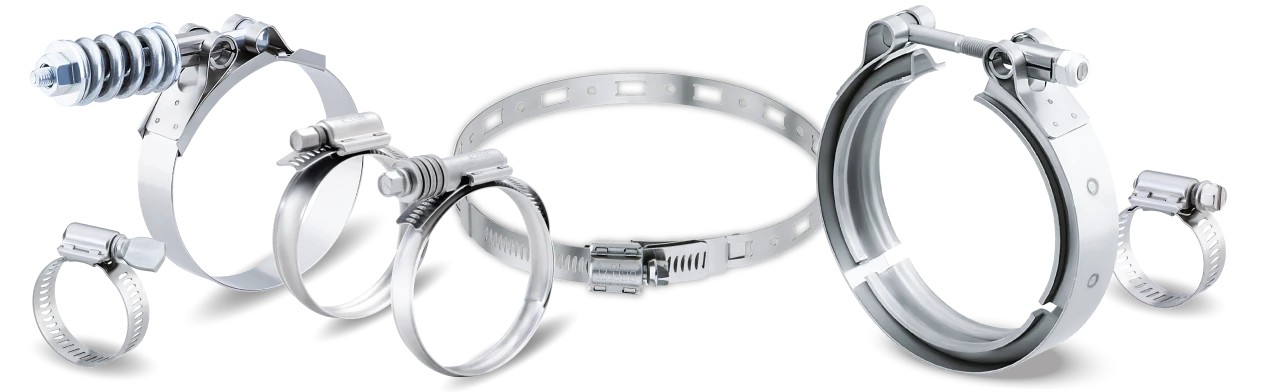
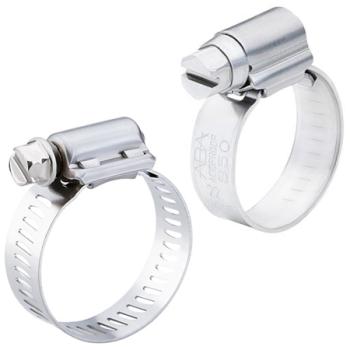
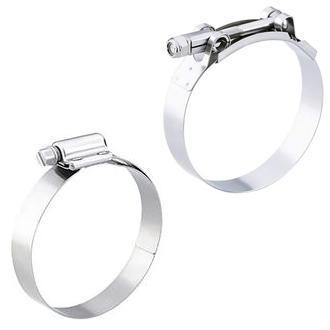
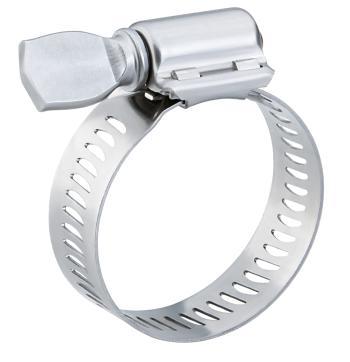
Worm gear clamps are the most common type. They use a screw mechanism to tighten a band around the hose.
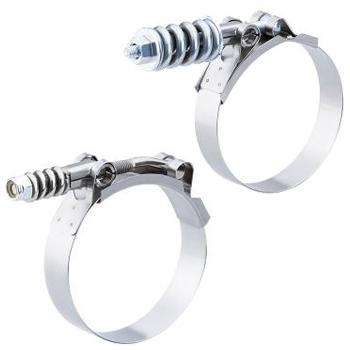
T-bolt clamps provide higher clamping force and are designed for heavy-duty applications.
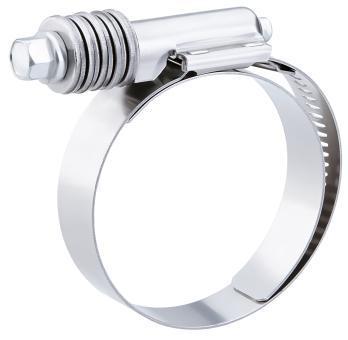
These clamps maintain consistent pressure as hoses expand and contract due to temperature changes.
Fuel injection clamps feature a smooth inner band to prevent damage to hoses.
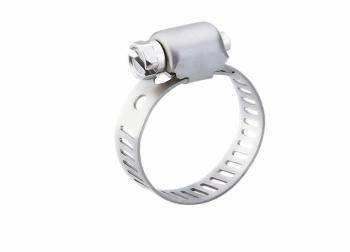
Mini clamps are designed for small diameter hoses.
V-band clamps are used for quick-release connections in exhaust and turbo systems.
The material of the clamp determines its durability and resistance to corrosion.
Excellent corrosion resistance
Ideal for marine and outdoor use
More affordable
Suitable for indoor or dry environments
Moderate corrosion resistance
Common in general-purpose applications
Automotive → Worm gear or fuel injection
High pressure → T-bolt
Temperature changes → Constant tension
Wet or corrosive → Stainless steel
Dry indoor → Galvanized or zinc-plated
Hose clamps are used across many industries, including:
Automotive (fuel lines, coolant systems)
Industrial equipment
Marine applications
HVAC systems
Plumbing and fluid transfer
Slide the clamp over the hose
Position the hose onto the fitting
Place the clamp over the connection point
Tighten evenly until secure
Tip: Avoid overtightening, as it can damage the hose or strip the clamp.
Using the wrong size clamp
Overtightening
Using non-corrosion-resistant clamps in wet environments
Reusing damaged or worn clamps
Measure the outside diameter of the hose and select a clamp within that range.
Yes, for corrosion resistance and outdoor or marine use.
Worm gear clamps are adjustable and general-purpose, while T-bolt clamps provide stronger clamping force for heavy-duty applications.
Only if they are in good condition and not deformed or worn.

.png "Login Icon")
.png "Cart Icon")
-1.png "Login Icon")
-1.png "Cart Icon")
.png)