05/28/2026 - Written by AZ Supply Staff
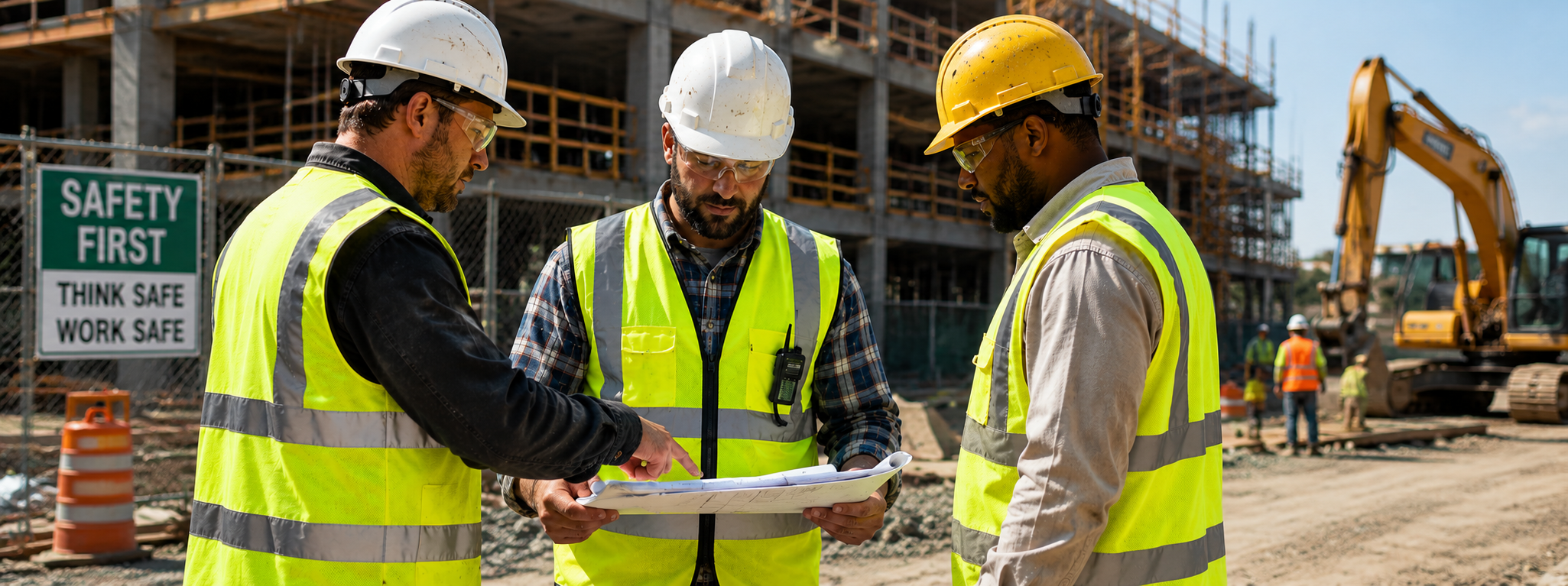
Stepping onto a bustling job site means entering an environment where heavy machinery, moving vehicles, and dozens of workers operate simultaneously. In this chaotic, high-risk setting, your first line of defense against accidents isn't just a hard hat or steel-toed boots—it is the humble construction worker vest.
While it might seem like a basic piece of clothing, this specialized gear is engineered to save lives. Whether you call it a vis vest, a safety garment, or a highlighter vest, its primary purpose remains the same: ensuring that you are seen before you are in danger.
In this comprehensive guide, we will dive into why these vests are absolutely critical, how to choose the right one, the regulations you need to follow, and the modern features that make long days on the site much more comfortable.
The core function of a construction vest is to create visual contrast between the worker and their background. To achieve this, manufacturers rely on specific materials and innovations. Meeting modern high-visibility safety apparel requirements depends heavily on two distinct components working together:
Fluorescent Polyester Background Material: During daylight hours, the bright neon fabric of the vest absorbs invisible ultraviolet light from the sun and emits it as visible light. This is why a fluorescent polyester background material appears to "glow" even on overcast days, making workers immediately identifiable against earth tones, concrete, and asphalt.
Retroreflective Striping Technology: When the sun goes down or workers enter dimly lit areas, fluorescent colors lose their effectiveness. This is where retroreflective striping technology comes in. Unlike a standard mirror that scatters light, retroreflective materials bounce light (like from a vehicle's headlights) directly back to the original source, ensuring drivers and equipment operators see the worker in the dark.
By combining these two elements, a construction worker vest provides 24-hour protection, reducing the risk of struck-by accidents, which are one of the leading causes of fatalities in the construction industry.
When it comes to job site safety, guesswork is not an option. Employers and workers must navigate strict OSHA workplace safety regulations to ensure everyone goes home safe at the end of the day. OSHA’s overarching Personal Protective Equipment requirements explicitly state that workers exposed to public vehicular traffic or heavy equipment must wear highly visible garments.
To standardise what "highly visible" actually means, OSHA relies on the ANSI ISEA 107 compliance standards. This comprehensive standard classifies vests based on the amount of reflective material and background fabric they feature.
One of the most common questions on a job site is understanding the difference between Class 2 and Class 3 vests. Choosing the wrong class can result in safety hazards and hefty regulatory fines.
Class 2 Vests: These are the minimum requirement for workers in environments where traffic exceeds 25 mph, or where heavy machinery is present. They require at least 775 square inches of background material and 201 square inches of reflective striping. They are typically sleeveless and are ideal for standard roadway construction, utility workers, and survey crews.
Class 3 Vests: These garments offer the highest level of visibility for workers facing high-speed traffic (exceeding 50 mph) or working in complex, highly congested backgrounds. The key difference is that Class 3 vests must have sleeves (either short or long) to outline the human form more clearly. They require a minimum of 1,240 square inches of background material and 310 square inches of reflective striping.
If you are gearing up for a new job, you might be asking yourself: what color safety vest do I need? The answer largely depends on your work environment and your specific role.
The two most common colors approved by ANSI are fluorescent yellow-green and fluorescent orange-red.
Yellow-Green: This is the most popular choice because the human eye is highly sensitive to yellow-green hues. It is ideal for urban environments, concrete work, and night shifts.
Orange-Red: Orange provides excellent contrast in environments with heavy foliage, bright sunlight, or snowy conditions. It is heavily favored in roadwork zones to signify caution.
In more complex operational settings, companies utilize incident command vest color codes to quickly identify personnel during emergencies or specialized tasks. For example, a white vest might designate site commanders or managers, a red vest often identifies emergency medical personnel or fire watch, and a green vest is frequently worn by safety inspectors. Paying attention to these color codes ensures organized, efficient communication on massive construction sites.
Today’s safety apparel goes far beyond a simple piece of bright cloth. Manufacturers have listened to the complaints of workers and integrated incredible features designed for utility, comfort, and enhanced safety.
Working 10 to 12 hours in the blazing summer sun requires specialized gear. Standard solid polyester vests can trap body heat, leading to exhaustion. Modern options utilize breathable fabrics for summer work, often featuring a heavy-duty mesh back that allows maximum airflow. Furthermore, premium vests now incorporate moisture-wicking cooling fabric that pulls sweat away from the body to the surface of the garment, where it can evaporate quickly, keeping the worker dry and cool.
A vest isn't just clothing; for many, it acts as a wearable toolbox. The multi-pocket surveyor style design has become incredibly popular among foremen, engineers, and standard laborers alike. These vests typically feature:
Clear ID badge holders.
Deep, reinforced lower pockets for tablets or clipboards.
Pen and pencil slots.
Internal pockets for personal items like phones or wallets.
Additionally, for workers who rely on constant communication, radio microphone tab features (often located on the left or right chest) allow a two-way radio mic to be clipped securely, keeping hands free for the task at hand.
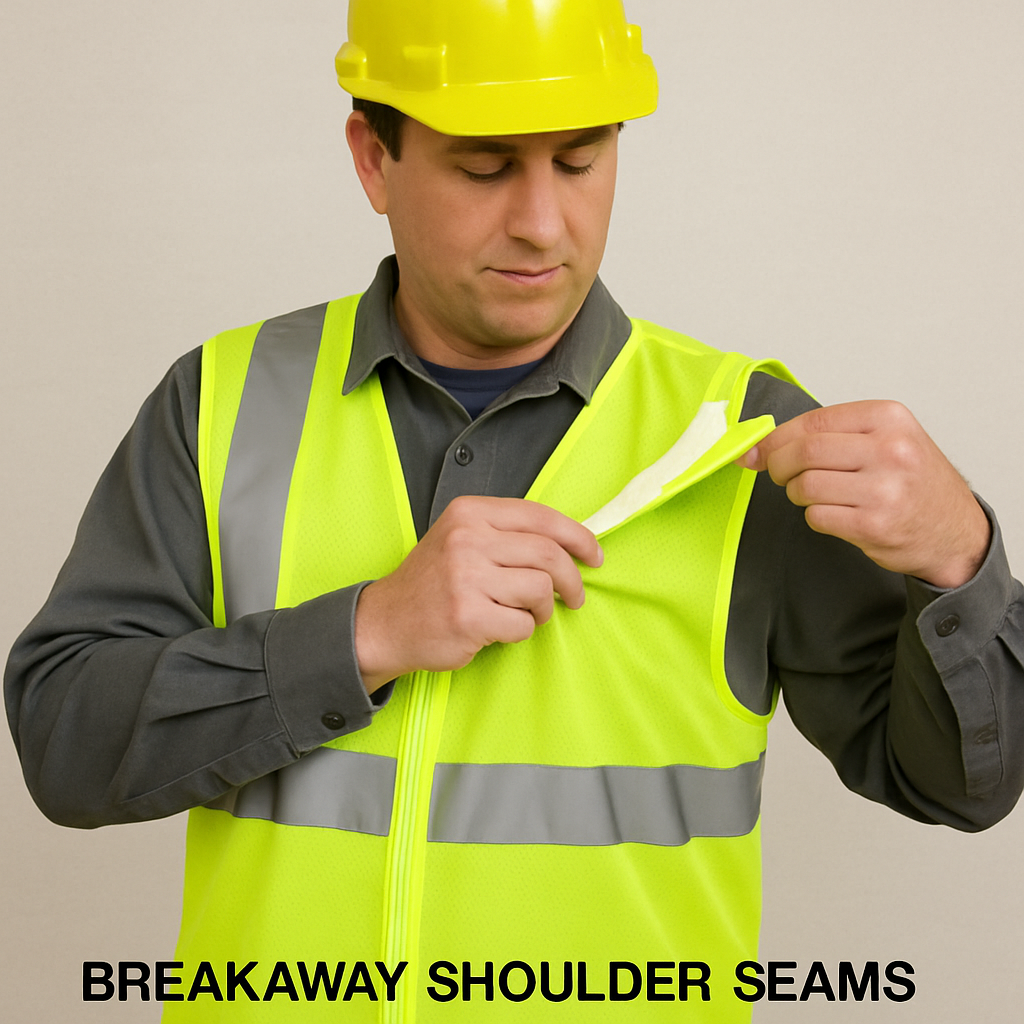
Visibility keeps you from getting hit, but what happens if your vest gets caught on a moving drill or a passing truck? To mitigate this, many high-risk environments require vests with breakaway shoulder seams for safety. These vests feature hook-and-loop (Velcro) fasteners at the shoulders, sides, and front closure. If the vest gets snagged by machinery or a vehicle, it breaks apart instantly, allowing the worker to escape rather than being pulled into danger.
Procuring high-quality safety gear is easier than ever, but you need to know where to look. If you are preparing for a long-term project, ordering from specialized online safety retailers is usually the best route. They offer bulk discounts and a massive variety of sizes, classes, and styles.
However, sometimes you need gear immediately. If you have lost your vest or just been hired for a job starting tomorrow, you are likely wondering where to buy a construction vest locally. Simply pulling up your smartphone and searching for a "construction vest nearby" or "safety vest nearby" will generally point you toward:
Large Home Improvement Stores: Places like Home Depot or Lowe's typically carry a small but reliable selection of ANSI-compliant vests.
Local Hardware Stores: Smaller community hardware shops almost always keep essential safety gear in stock.
Workwear and Boot Stores: Stores specializing in steel-toed boots and heavy-duty workwear will carry premium, durable vests.
Always check the tags before you buy to ensure the garment meets the necessary ANSI standards for your specific job site.
Buying a top-tier vest is only the first step; taking care of it is just as crucial. Proper maintenance of reflective safety equipment guarantees that the materials perform as intended and keeps you compliant with safety regulations. Dirt, grease, and UV damage can severely degrade both the fluorescent fabric and the retroreflective tape.
Here are actionable tips for maintaining your gear:
Wash Inside Out: Always turn the vest inside out before washing. This protects the delicate glass beads inside the retroreflective striping from abrasive washing machine agitators.
Use Mild Detergent: Avoid bleach or fabric softeners, as harsh chemicals will strip the reflective properties and fade the neon colors.
Air Dry: Never put a safety vest in a hot dryer. The heat will melt the reflective tape and shrink the polyester. Hang it up to air dry.
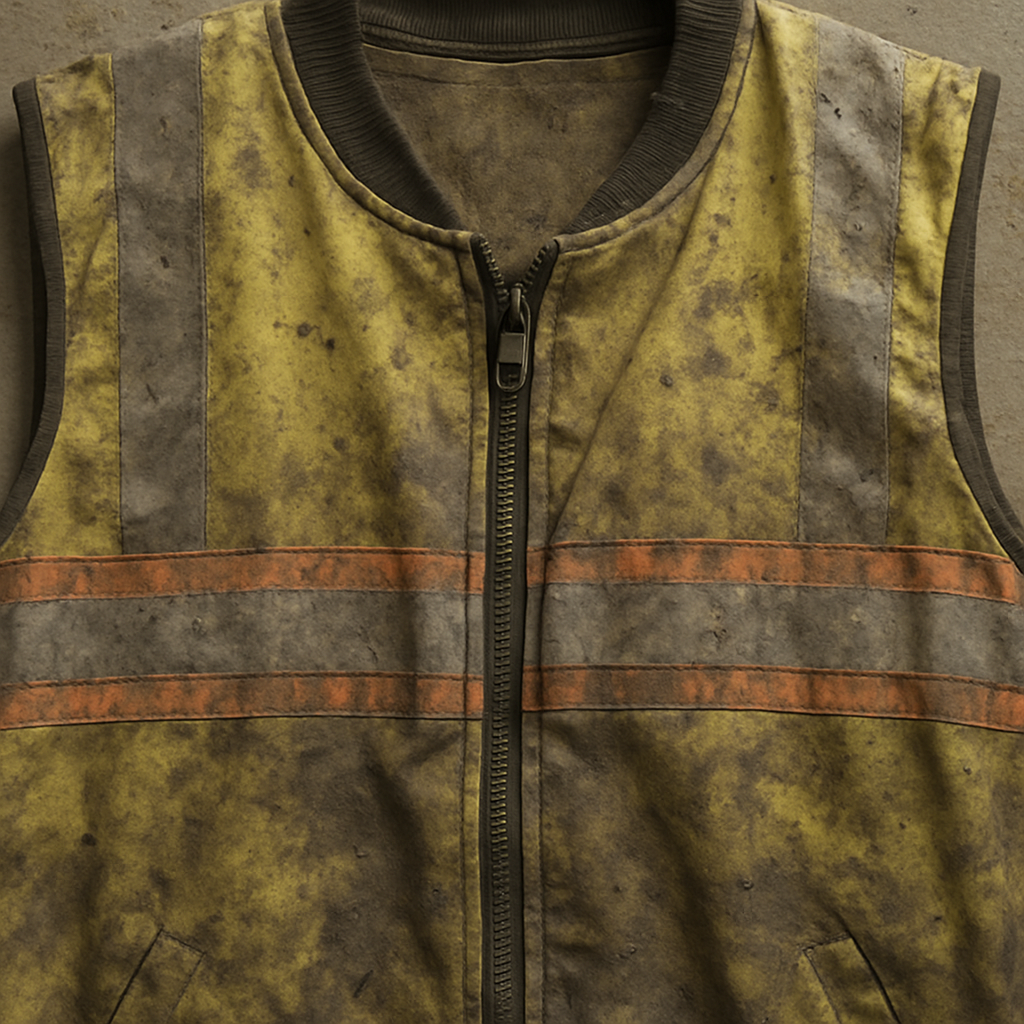
Know When to Replace It: High-visibility gear has a lifespan. According to safety experts, a vest worn daily should be replaced every 6 months. If the vest is faded, torn, permanently stained with asphalt, or if the reflective tape is cracked and peeling, it is no longer compliant and must be retired immediately.
The construction worker vest is undeniably one of the most vital pieces of safety equipment on any job site. It is a silent protector that works relentlessly through day and night, utilizing advanced materials to ensure you remain visible against complex, hazardous backgrounds.
From understanding the stringent OSHA and ANSI guidelines to choosing the right breathable fabrics and surveyor pocket designs, educating yourself on high-visibility gear allows you to work not just safely, but comfortably. Remember, safety gear only works if you wear it properly and maintain it well. So, whether you are picking up a new vest from a safety supplier or grabbing a quick replacement at a hardware store nearby, make sure your vest meets the standards, fits your environment, and keeps you visible so you can return home safely every single day.
The construction worker vest is undeniably one of the most vital pieces of safety equipment on any job site. It is a silent protector that works relentlessly through day and night, utilizing advanced materials to ensure you remain visible against complex, hazardous backgrounds.
From understanding the stringent OSHA and ANSI guidelines to choosing the right breathable fabrics and surveyor pocket designs, educating yourself on high-visibility gear allows you to work not just safely, but comfortably. Remember, safety gear only works if you wear it properly and maintain it well. So, whether you are picking up a new vest from a safety supplier or grabbing a quick replacement at a hardware store nearby, make sure your vest meets the standards, fits your environment, and keeps you visible so you can return home safely every single day.

.png "Login Icon")
.png "Cart Icon")
-1.png "Login Icon")
-1.png "Cart Icon")
.png)